All About Braces
Braces are a reliable and effective way to straighten teeth and improve bite alignment. During orthodontic treatment, it’s important to understand how to properly care for your braces so treatment progresses smoothly and comfortably. The information below will help you maintain good oral hygiene, protect your appliances, and manage common experiences during treatment.
How Should I Brush and Floss With Braces?
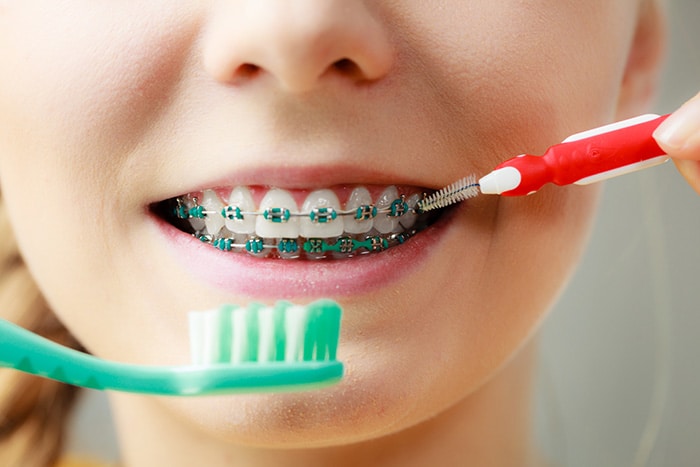
Brushing and flossing become even more important during orthodontic treatment. Braces create additional areas where food particles and plaque can collect, making thorough oral hygiene essential for keeping your teeth and gums healthy.
Patients with braces should brush after every meal and floss daily to remove food and plaque around brackets and wires. Because braces can make cleaning more challenging, some patients may need more frequent professional cleanings with their dentist during treatment.
Adults who have a history of gum disease may also benefit from seeing a periodontist while undergoing orthodontic care.
What Can I Eat With Braces?
One of the most common questions patients ask is what foods are safe to eat with braces. During the first day or two after getting braces or after adjustments, your teeth may feel sensitive, so softer foods are recommended.
As you adjust to wearing braces, you will be able to return to most of your normal foods. However, it is important to protect your orthodontic appliances by avoiding foods that could damage brackets or wires.
What Foods Should I Avoid With Braces?
Certain foods can break brackets, bend wires, or get stuck in braces. To protect your orthodontic appliances and avoid unnecessary repairs, it is best to avoid:
- Chewy foods such as bagels, hard rolls, and licorice
- Crunchy foods like popcorn and ice
- Sticky foods, including gum and caramel
- Hard foods such as nuts and hard candies
- Foods that require biting into, like apples, corn on the cob, or raw carrots
Chewing on non-food items like pens, pencils, or fingernails can also damage braces. Broken appliances may delay your treatment and require additional repair visits.
Is It Normal to Feel Soreness After Getting Braces?
It is normal to experience mild soreness for a few days after braces are placed or adjusted. Teeth may feel tender when biting or chewing as they begin to move into new positions.
Over-the-counter pain relief such as Tylenol can help manage discomfort if needed. Lips, cheeks, and the tongue may also feel irritated during the first week or two as your mouth adjusts to the braces. Orthodontic wax can be applied to brackets to reduce irritation and make the adjustment period more comfortable.
Why Do My Teeth Feel Loose During Treatment?
Teeth may feel slightly loose during orthodontic treatment, which can sometimes feel concerning. This is actually a normal and necessary part of the process.
Teeth must loosen slightly in order to move into their new positions. Once treatment is complete, the teeth will stabilize and become firm again in their corrected alignment.
What Should I Do If a Wire or Band Becomes Loose?
Occasionally a wire or band may loosen during treatment. If a wire begins to stick out and cause irritation, you may gently push it back into place using a blunt object such as the eraser end of a pencil.
If the irritation continues, place orthodontic wax or wet cotton over the area to protect your lips or cheeks. Be sure to contact our office so we can schedule an appointment to repair the appliance if needed.
Why Is Wearing Rubber Bands Important?
Rubber bands play an important role in many orthodontic treatments by helping guide the teeth and jaws into their correct positions. For treatment to progress as planned, it is essential that rubber bands or other appliances are worn exactly as instructed.
Not wearing rubber bands consistently or damaging appliances can slow progress and extend overall treatment time.
Can I Play Sports With Braces?
Yes, you can continue participating in sports while wearing braces. If you play contact sports, it is important to wear a protective mouthguard to prevent injury to your teeth and orthodontic appliances.
A properly fitted orthodontic mouthguard helps protect both your braces and your smile during athletic activities.
Frequently Asked Questions
Starting braces treatment often comes with questions. Here are a few common ones to help you feel prepared and confident throughout your care.
How Often Should I Clean My Teeth With Braces?
Brush after every meal and floss daily to remove food and plaque around brackets and wires. Good hygiene helps prevent cavities and gum issues during treatment.
What Foods Are Safe To Eat With Braces?
Stick to softer foods at first. As you adjust, you can eat most foods, but avoid anything hard, sticky, or chewy to protect your braces.
Is It Normal To Feel Soreness With Braces?
Yes, mild soreness is common after getting braces or adjustments. It usually lasts a few days and can be managed with over-the-counter pain relief.
What Should I Do If Something Feels Off With My Braces In Durango, Cortez, Or Pagosa Springs?
If a wire or bracket feels uncomfortable or out of place, you can try gently adjusting it or covering it with orthodontic wax. If the issue continues, contact A Smile by Design with Dr. Griffin. Our team can help keep your treatment on track and ensure everything is working properly.
Why Choose A Smile By Design With Dr. Griffin For Braces In Southwest Colorado?
We provide personalized care in a friendly setting, serving patients in Durango, Cortez, and Pagosa Springs with efficient and comfortable orthodontic treatment.